
A Media Moment That Rewrote the Competitive Map
Super Bowl LX was widely framed as another triumph of broadcast power. With exclusive live rights held by NBCUniversal and advertising slots priced well beyond the reach of most businesses, the event appeared to reinforce a familiar hierarchy. Large brands owned the screen. Everyone else watched.
Yet the days following the game told a very different story. Across Canada and the United States, small and medium businesses emerged as unexpected beneficiaries of the most expensive television event of the year. They did not profit from access to the broadcast. They profited from what happened around it.
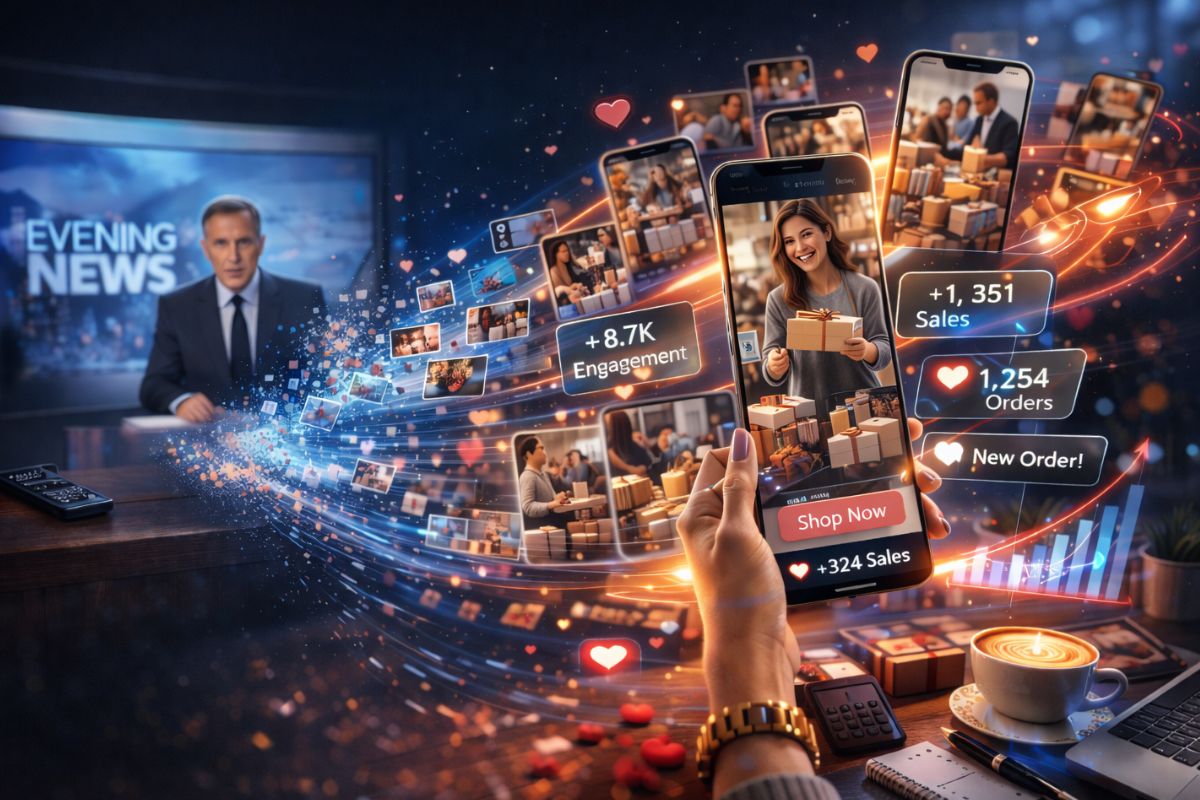
Super Bowl LX revealed a strategic shift that has been building quietly for years. Broadcast exclusivity no longer limits opportunity. It redirects it. Attention now concentrates on television, then disperses rapidly across open digital platforms where agility, relevance, and authenticity matter more than budget.
For social first SMBs, this shift turned a closed media environment into a revenue generating opening.
Exclusivity Concentrated Attention, Then Released It:
The assumption that paywalled events reduce reach misunderstands how modern audiences behave. When live viewing is restricted to a single platform, fragmentation decreases. Viewers watch simultaneously, react collectively, and then move together into social spaces.
Super Bowl LX followed this pattern precisely. Moments from the game, the halftime performance, and post game commentary spread across social platforms within seconds. Clips, reactions, and memes traveled faster and farther than any paid advertisement.
Algorithms favored content tied to trending topics and real time engagement. The source of that content mattered less than its relevance. This environment favored businesses that could respond quickly and speak in a natural voice.
Small businesses were structurally better positioned to do so.
Social Platforms Became the Primary Commerce Layer:
During Super Bowl LX weekend, social platforms were not secondary screens. They were the main marketplace.
Short form video on TikTok, Instagram Reels, and YouTube Shorts became the dominant format for discovery. Live commentary and reaction content drove engagement spikes. Native checkout tools converted attention into transactions without forcing users into traditional ecommerce flows.
For SMBs, this integration reduced friction and shortened decision cycles. A viewer could see a product, relate to the story behind it, and purchase it in the same moment. No redirection. No delay.
Large brands participated as well, but many treated social content as an extension of broadcast advertising. Their messaging felt pre planned rather than responsive. Small businesses, by contrast, treated social platforms as real time environments that rewarded presence over perfection.
Also Read: Small Business Marketing in 2026: Why Speed Will Outperform Size
Nano Influencers Outperformed Traditional Endorsements:
One of the most consistent drivers of SMB success during Super Bowl LX was the use of nano influencers. These creators, often with highly localized or niche audiences, delivered engagement that far exceeded their size.
Their content was immediate and personal. They reacted to the game, shared rituals, and integrated products naturally into the moment. For audiences, this felt less like advertising and more like participation.
SMBs benefited from the flexibility of these partnerships. Collaborations could be initiated quickly, measured in hours, and adjusted in real time. Performance data guided amplification decisions rather than long term commitments.
In contrast, larger brands locked into pre negotiated influencer campaigns had little ability to pivot once the moment shifted.
Hyper Local Search Captured High Intent Demand:
While social platforms drove awareness, hyper local search converted intent into revenue. As the game ended and celebrations continued, searches for nearby food, drinks, and themed products surged.
Small businesses that had invested in local listings, accurate hours, and location specific content dominated these queries. Proximity became the deciding factor once shipping deadlines passed.
This advantage reflected years of incremental optimization rather than last minute tactics. Businesses that treated local discoverability as an ongoing priority were rewarded when demand peaked.
National brands could generate interest, but they could not compete on immediacy.
Authenticity Beat Production Value:
Another defining feature of Super Bowl LX was the declining importance of polish. Highly produced content struggled to compete with raw, timely posts that captured genuine reactions.
User generated content, behind the scenes moments, and spontaneous commentary consistently outperformed scripted brand messaging. Algorithms favored engagement signals over aesthetics. Audiences favored relatability over spectacle.
For SMBs, this dynamic leveled the playing field. They did not need studios or celebrity endorsements. They needed awareness of the moment and the confidence to show up as themselves.
Revenue Followed Relevance:
Crucially, the surge in engagement translated into measurable sales. SMBs converted cultural relevance into revenue through time bound offers, limited inventory releases, and frictionless checkout.
SMS campaigns timed to kickoff and post game moments drove immediate traffic. Social posts linked directly to purchase options. Local fulfillment capabilities ensured promises could be met.
This alignment between messaging, operations, and fulfillment differentiated successful businesses from those that simply generated buzz.
Broadcast Lockouts as a Strategic Signal:
Super Bowl LX also highlighted a broader media trend. As rights holders increasingly lock premium content behind exclusive deals, secondary engagement on open platforms becomes more valuable.
This pattern has appeared repeatedly across global sports and entertainment. Paywalled events concentrate attention, then release it into social channels where participation is open.
For SMBs, this creates a repeatable opportunity. They do not need to compete for ownership of the broadcast. They need to be prepared for the moment when attention escapes it.
Strategic Readiness Matters More Than Spend:
The businesses that benefited most from Super Bowl LX were not improvising. They had invested in social commerce infrastructure, rapid content workflows, and measurement systems that supported real time decision making.
They understood which platforms mattered, which messages resonated, and how to convert interest quickly. They also exercised restraint, participating selectively rather than indiscriminately.
This readiness allowed them to move decisively when the window opened.
Implications for SMB Strategy Going Forward:
The lessons of Super Bowl LX extend beyond sports. Cultural moments increasingly occur within controlled media environments, followed by uncontrolled social amplification.
SMBs that build for this reality can consistently capture value without relying on traditional advertising spend. This requires prioritizing social responsiveness, local discoverability, and operational alignment.
It also requires a shift in mindset. Success is no longer about securing access to the stage. It is about understanding how and when the audience leaves it.
A Structural Advantage, Not a One Time Win:
What Super Bowl LX revealed was not a loophole. It was a structural advantage rooted in how attention moves in a digital economy.
Broadcast exclusivity will continue to increase. Social spillover will continue to grow. SMBs that recognize this dynamic and invest accordingly will outperform competitors who remain focused on paid access alone.
For social first SMBs, Super Bowl LX was not merely a successful weekend. It was confirmation that the competitive map has changed.
The businesses that win are not those with the biggest budgets, but those that understand the flow of attention and act decisively when it shifts.


